


If you’ve ever said, “My dog is sweet… but they’re alwayson 10,” you’re not alone. Most families don’t need more “exercise.” They need a routine that teaches the nervous system how to come down.
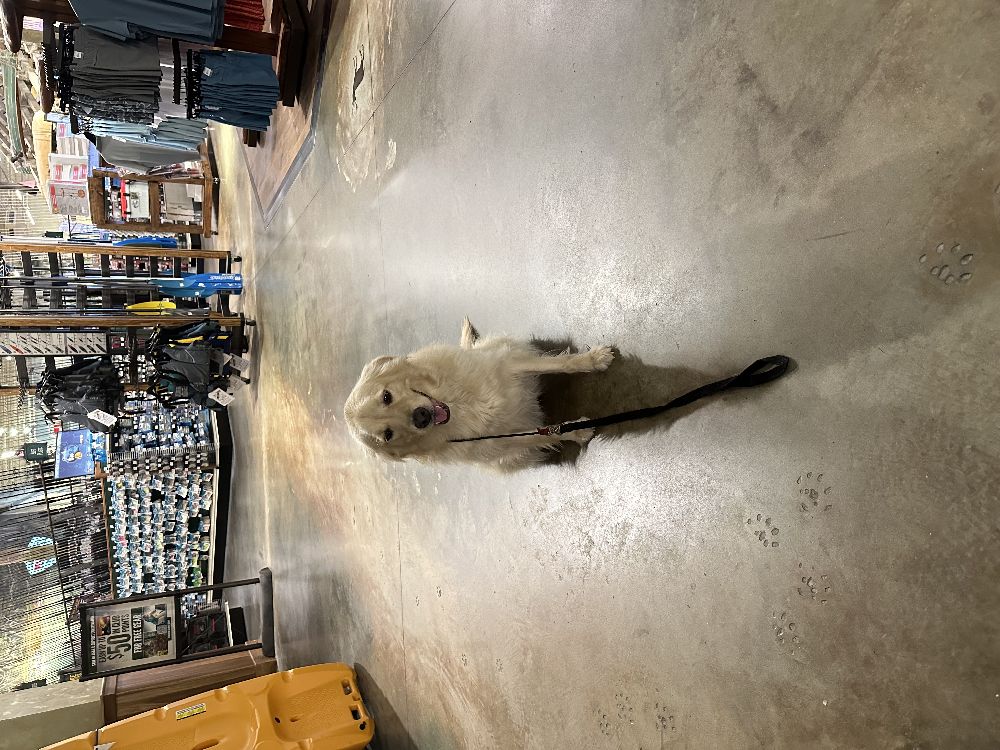
Here are 12 practical ways to build a calmer dog that actually fit real life in Gainesville—whether you’re in Haile Plantation, Jonesville, Tioga, Newberry, Archer,Duckpond, Sugarfoot, Pleasant Street, Midtown, Downtown Gainesville, Millhopper, or near the University of Florida in Alachua County
1) Structured walks (not just “exercise”)
A calm walk isn’t about racking up miles. It’s about teaching your dog to move with you, not drag you. Think: loose leash, check-ins, and calm starts/stops.
Quick win: start the walk with 60 seconds of “stand still until the leash softens.” That one habit changes everything.
2) Place/settle dog training
“Place” is your off-switch. It gives your dog a clear job: go to the bed, stay there, and relax.
Voice-search style answer: Yes, you can teach calm. You teach it the same way you teach sit—by rewarding the right moments.
3) Crate or kennel routine
A crate isn’t punishment when it’s introduced correctly. It’s structure, safety, and a predictable rhythm.
If your dog struggles to settle, a consistent kennel routine can prevent the constant pacing, barking, and “I don’t know what to do with myself” energy.
4) Clear boundaries (doors, food, furniture)
Boundaries reduce conflict and confusion. When rules are consistent, dogs relax.
Examples: - Wait at doors - Sit before meals - Invitation-only furniture (if that’s your rule)
5) Leash skills before off-leash freedom
Off leash training is earned, not hoped for. If your dog can’t stay neutral on leash, off-leash freedom usually turns into rehearsing chaos.
6) Short, consistent sessions (5–10 minutes)
You don’t need an hour. You need consistency.
Try 2–3 mini sessions a day: - 5 minutes of leash skills - 5 minutes of place - 5 minutes of “neutral” around distractions (from a safe distance)
7) Reward calm, not chaos
Most people accidentally reward the wrong thing.
If your dog only gets attention when they’re jumping, whining, or spinning… they’ll keep doing it. Start paying your dog for calm choices: lying down, soft eyes, relaxed body.
8) Stop rehearsing bad habits (management matters)
If your dog practices the behavior every day, it becomes the default.
Management tools are not “giving up.” They’re how you stop the pattern while you train: - Leashes and long lines - Baby gates - Crates/kennels - Covered windows if your dog fence-fights or barks at passersby
9) Gradual exposure to triggers
This is huge for dog behavior modification and aggressive dog training.
You don’t fix reactivity by flooding your dog with the trigger. You build tolerance step-by-step, at a distance where your dog can still think.
10) Teach “neutral” around dogs/people
Neutral is the goal. Not “my dog must greet everyone.”
A calm dog can walk past another dog in Depot Park or around University Park and simply… keep walking.
11) Enrichment that doesn’t create more arousal
Not all enrichment calms dogs down. Some of it winds them up.
Calming enrichment ideas: - Sniff walks - Scatter feeding in grass - Lick mats - Slow chew time (supervised)
12) Follow a plan you can actually maintain
The best plan is the one you’ll do on your busiest week.
If your routine is too complicated, it won’t last—and your dog won’t get the consistency they need.
A quick Gainesville success story
One of our favorite wins: a dog who used to explode on leash the second they saw another dog (barking, lunging, the whole thing). After we tightened up structure (place, leash skills, and management) and did gradual exposure work, the owner’s words were: “He finally looks like he can breathe on walks.”
That’s what calm looks like—more thinking, less reacting.
A science-backed note (for the skeptics)
Reward-based training methods are strongly supported in the research for both effectiveness and welfare. If you like reading the science, here’s a peer-reviewed open-access paper you can reference: Improving dog training methods: Efficacy and efficiency of reward and mixed methods.
Want a calmer dog without guessing?
If you want help building a routine that fits your household, we can map out a plan during a consult.
Whether you’re looking for dog training Gainesville FL, Wadda Good Doggy dog daycare Gainesville FL, dog boarding Gainesville FL, off leash training, or you need real dog behavior modification support (including aggressive dog training), we’ll tell you what to do first—and what to stop doing immediately.
Book your consult with Casper’s Camp Hope Dog Training - The behavior specialists in Florida today, and let’s turn “chaos on a leash” into a dog you can actually live with.